Hearing Loss: Crucial Age Connections for Your Best Ear Health
Hearing loss is one of the most common chronic health conditions affecting older adults worldwide, yet it remains widely misunderstood. Often viewed as an inevitable but minor inconvenience of growing older, the gradual decline of our auditory senses actually has profound implications for our overall well-being. As we age, the delicate structures of the inner ear naturally undergo wear and tear, changing how we interact with the world around us. Understanding the intricate connection between aging and auditory decline is the first step toward preserving our quality of life and maintaining strong social connections well into our golden years.
How Aging Triggers Age-Related Hearing Loss (Presbycusis)
Age-related auditory decline, medically known as presbycusis, is a progressive condition that typically affects both ears equally. Unlike sudden sensorineural issues caused by trauma or illness, this form of decline occurs so gradually that many people do not realize they are missing out on key sounds for years.
The biological process behind this change lies deep within the inner ear, specifically inside the cochlea. The cochlea is lined with thousands of microscopic sensory receptors called hair cells. These tiny cells are responsible for converting sound vibrations into electrical signals that the brain translates into recognizable noise. Over time, continuous exposure to environmental noise, natural changes in blood flow, and genetic predispositions cause these fragile hair cells to bend, break, and die. Because these hair cells cannot regenerate, their loss leads to permanent changes in how we process sound.
In addition to cellular damage, the pathways leading from the ear to the brain can also degrade with age. This means that even if the ear detects a sound, the brain may struggle to interpret it accurately, especially when trying to distinguish between similar-sounding words.
Recognising the Early Warning Signs of Hearing Loss
Because the onset of age-related auditory decline is slow, identifying the symptoms early requires self-awareness and attention to daily habits. Many individuals unconsciously adapt to their changing senses rather than realizing their capacity to hear has diminished.
Some of the most common early indicators include:
- Difficulty following conversations in crowded places: You might find it challenging to focus on a single speaker at a noisy restaurant or family gathering.
- The perception that everyone is mumbling: If you frequently feel that people are speaking unclearly or slurring their words, it may actually be a loss of high-frequency sound perception.
- Trouble hearing high-pitched sounds: The voices of women and children, the chirping of birds, or the turn signal in a car are often the first sounds to fade away.
- Increasing the volume on electronic devices: If family members complain that the television or radio is too loud, this is a classic sign of sensory change.
- Ringing in the ears: Known as tinnitus, a persistent buzzing, roaring, or ringing sound in the ears frequently accompanies age-related sensory decline.
The Broader Impact of Auditory Decline on Mental and Cognitive Health
The consequences of neglecting our auditory health extend far beyond the physical ears. In recent years, medical researchers have discovered a powerful link between untreated auditory decline and cognitive health.
When the brain is constantly strained to decode muffled or incomplete sounds, it must divert cognitive resources away from memory and comprehension just to make sense of a conversation. This phenomenon, known as cognitive overload, can accelerate cognitive decline and increase the risk of developing dementia.
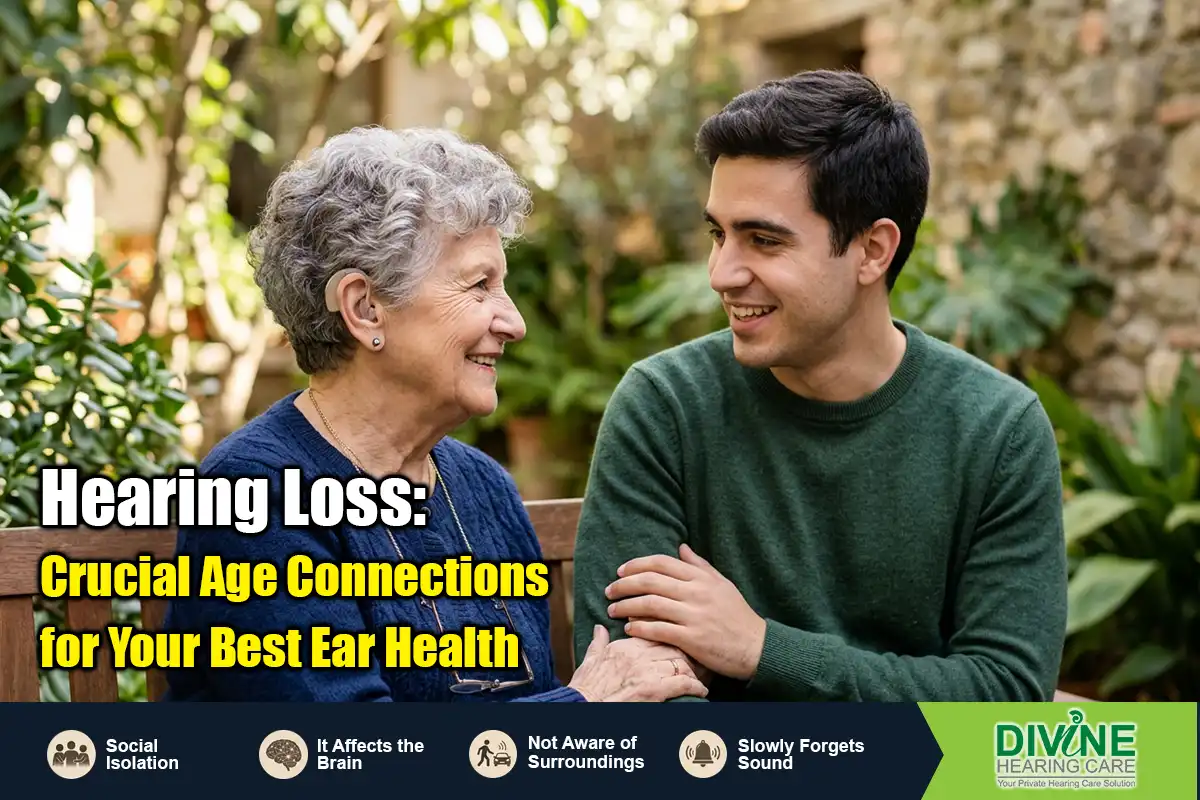
Furthermore, the emotional toll of struggling to communicate can lead to social isolation. When participating in conversations becomes exhausting or embarrassing, many older adults choose to withdraw from social situations, hobbies, and family gatherings. This isolation is a major risk factor for depression, anxiety, and a reduced overall quality of life.
Practical Steps to Prevent and Manage Hearing Loss as You Age
While we cannot stop the biological clock, there are proactive steps we can take to protect our auditory system and mitigate the impact of aging on our sensory health.
1. Protect Your Ears from Noise Exposure
Even in later life, protecting your ears from further damage is crucial. Avoid prolonged exposure to loud environments, such as lawnmowers, power tools, or concerts, without wearing proper ear protection like high-quality earplugs or earmuffs.
2. Schedule Regular Audiograms
Just as you schedule annual eye exams and physicals, routine hearing evaluations should be a standard part of your healthcare regimen starting around age 50. A baseline audiogram allows specialists to track changes over time and intervene before the decline affects your mental health.
3. Embrace Modern Hearing Technologies
If a specialist recommends intervention, do not hesitate to explore modern solutions. Today’s hearing aids are highly advanced, discreet, and equipped with smart technology like Bluetooth connectivity and background noise suppression. Rather than being a sign of aging, wearing these devices is a proactive step toward staying sharp, independent, and socially engaged.
Prioritising Your Auditory Health Today
Healthy aging is about more than just maintaining physical strength; it is about preserving the connections that give life meaning. By understanding the direct connection between age and auditory wellness, we can remove the stigma surrounding sensory decline and take charge of our health. Protecting and treating your hearing today ensures that you can continue to enjoy the laughter of loved ones, the sounds of nature, and the conversations that keep your mind vibrant for decades to come.